
Winter used to be the time for curling up with seed catalogues and field guides, all fodder for dreaming of spring. More recently, though, December has become the time when I can finally get back out in the garden, the time when the heat and mosquitoes leave and the ground—if we’re lucky—gets a little rain.
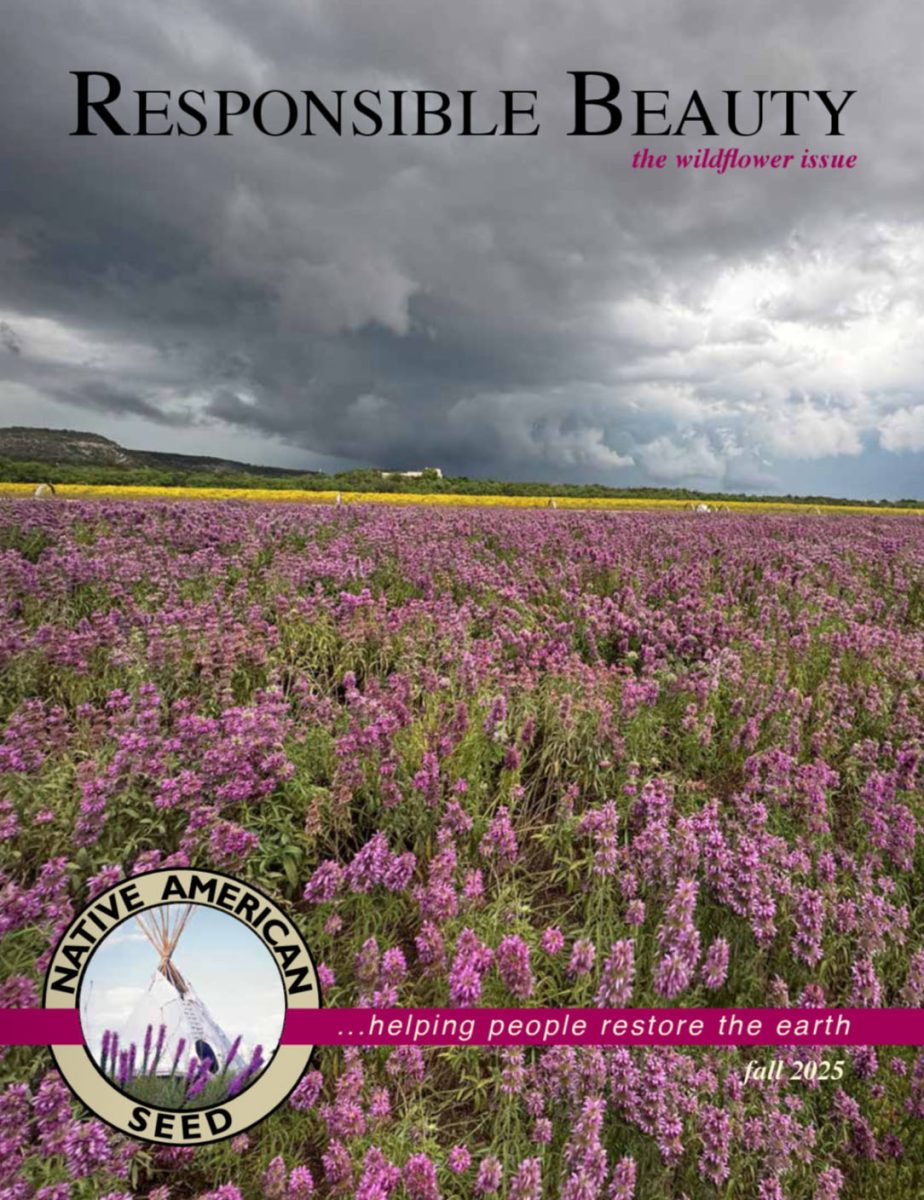 I miss those drizzly, dreary December days before whatever we’re calling this unfortunate shift in our weather patterns took place. That said, we do still have the dark, that blessed phenomenon that drives us indoors and tells us to pick up a book and dream.
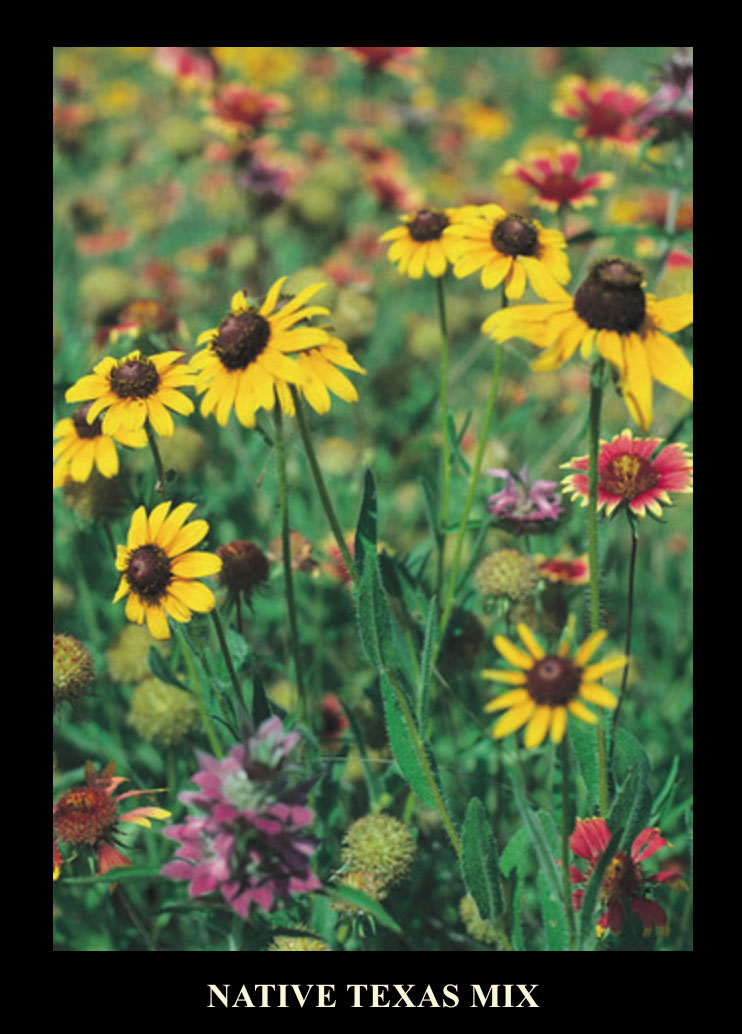
One of my favorite go-to sources for inspiration is Responsible Beauty, the Native American Seed catalogue that hits my mailbox twice a year. On a practical level, it’s where I can go to order wildflower seed mixes, native Texas grass seed, and even bare root plants such as goldenrod and asters. It’s where I can find the names and photos of both common and not-so-common wildflowers, and it’s where I can look up the butterflies that flit around our yard in the summer and fall. The catalogue will tell me what plant species are popular with certain kinds of birds, and which the deer are likely to avoid. Many features stay the same from issue to issue—the map that shows all the ecosystems found in the United States, articles about prairie restoration and erosion control, removing invasives and growing native seeds.
I enjoy all of that, much as I enjoy thumbing through a bird guide I’ve read a hundred times. What makes this catalogue special, though, is the commentary, most recently an article about the flooding of the Llano River near the company’s farm outside of Junction. This was followed by a short piece on “riparian sponges,” those plants whose roots absorb water and hold the banks in place. “A wide diversity of native plants evolved with the river over thousands of years,” the article explains. “They know exactly how to live right here, without much extra care. When floodwaters recede, riparian plants slowly rise back up and life goes on. When the water and mud dry out, they simply stand back up and keep on keepin’ on.”
Founded in 1989 by Jan and Bill Neiman, Native American Seed is one of several ecology-focused companies owned by the couple. A 2022 article in the 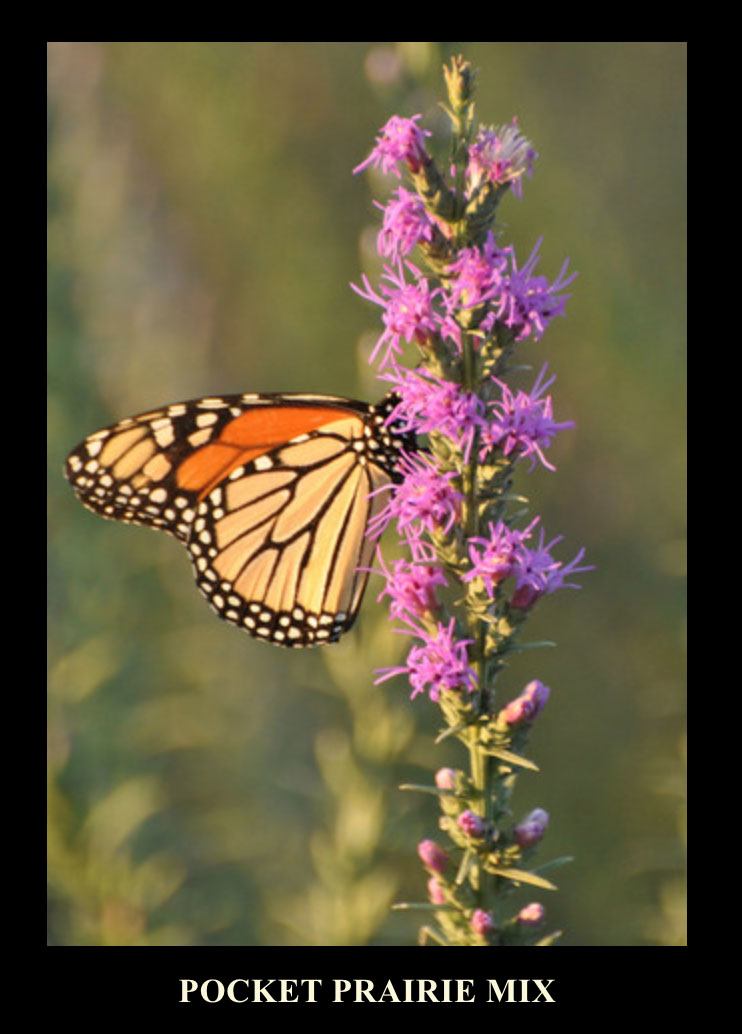 San Antonio Business Journal noted how the
  Neimans began with “one small footprint of land and have grown their businesses to develop meadow and prairie plantings to replace 48 million acres of thirsty, pesticide ridden, energy consuming landscapes.” While their own farm comprises only 250-262 acres, the couple has worked on a great many restoration projects, including one to remediate 8,000 acres acquired for the SuperCollider project in Texas in the 1990s.
Having grown up in a conservation-minded family, Bill Neiman began his career at 19 as a landscaper and irrigator in the Dallas area. As was common at the time, most of his customers asked for traditional St. Augustine lawns accented with exotic shrubs, trees, and groundcovers, such as Asiatic jasmine and crape myrtles. All of that was to change, however. As the story on Neiman in the San Antonio Business Journal noted, “In 1980, when the Dallas region experienced 100 days of 100-plus temperatures in a row with no rainfall, a water ban was implemented, and landscapes rapidly began failing. Neiman’s clients called him in desperation begging for a solution to their problems.”
This was the catalyst that changed the direction of Neiman’s career. Seeing what was and was not able to survive—and even thrive—in the midst of drought, he began doing research into alternatives to the water-guzzling species most often used in conventional landscaping.
According to the Journal, “Starting with trial and error, the Neimans began on a shoestring budget and harvested their first native seeds in 1988. This started Native American Seed which has evolved into a family business that offers over 50 species of wildflowers and grasses as an alternative to non-native plants which demand more natural resources than the environment can handle.”
You can request a print copy of Responsible Beauty or find one online at seedsource.com. You can also read more about Native American Seed in the latest issue of the Hays Humm, the very fine newsletter of the Hays County Master Naturalists. In addition to ordering from the catalogue, you can purchase seeds by visiting the Native American Seed warehouse/store at 8875 I-35, New Braunfels (the corner of the I-35 access road and Hunter Rd).
Author: Susan Hanson, Editor, The Loop