For many homeowners, HOA communities are appealing because of the convenience. Regular lawn care, shrub trimming, and overall maintenance are taken care of—as long as you follow the rules. It’s a tidy, uniform system that promises peace of mind.
But what if your vision of a dream yard doesn’t include a cookie-cutter lawn? What if you want to fill your space with native plants—those resilient, eco-friendly beauties that support pollinators, shelter wildlife, and make your yard feel truly alive?
That’s where things can get tricky. HOA rules are often designed around traditional landscaping, which can quickly dampen your enthusiasm. The good news? With a little planning, an understanding of the approval process, and some creativity, you can usually work within the rules and still create the native landscape you love.
Here’s my 8-step guide to planning a native landscape that should – but may not – get your HOA’s approval.
Step 1: Know the HOA Rulebook
Start by reading your HOA’s CC&Rs (Covenants, Conditions, and Restrictions) and any landscaping guidelines. These documents spell out what changes need approval, what’s prohibited, and the steps for submission. Many HOAs keep them online for easy access—worth bookmarking as you plan.
They often cover:
- Minimum lawn requirements.
- Rules for balconies, patios, or entryways (for condos or townhomes).
- Approved plant lists or prohibited species.
- Height limits for shrubs and trees.
Pay attention to details about aesthetics and maintenance. Some HOAs worry that native plants will look “weedy” or unkempt. By knowing what they expect, you’ll be better prepared to present your plan as intentional and well-designed.
Step 2: Understand State and Local Protections
Here’s something many homeowners don’t realize—sometimes state and/or local laws override HOA rules. For example:
- Texas protects your right to use drought-tolerant landscaping. Under Texas Property Code §202.007, HOAs cannot ban “drought-resistant” plants, which might include some of your favorite native plants.
- A 2025 update (House Bill 517) now prevents HOAs from fining Texas homeowners for brown or stressed vegetation during government-mandated water restrictions—and even for 60 days afterward.
Knowing your rights can make a huge difference. While HOAs can still regulate design and placement, they can’t always dictate
what you plant. If you’re not sure about a certain law or restriction, check government websites or consult an attorney who specializes in HOA regulations.
Step 3: Certify Your Yard
Want an extra layer of protection? Certify your yard as a pollinator habitat, wildlife sanctuary, or monarch waystation. Programs like these not only support butterflies, bees, and birds—they often come with official recognition and signage.
For example, monarch butterflies are a threatened species, and they rely exclusively on milkweed for survival. Adding milkweed and nectar plants to your garden and registering as a monarch waystation gives your yard ecological significance. If your HOA challenges you, you’ll have documentation that your garden serves a broader conservation purpose.
Step 4: Prepare a Solid Application
Most HOAs want a formal application before you break ground. Think of it as your garden’s portfolio. The clearer and more visual your packet, the better your chances.
The Site Plan
Most HOAs will expect a scaled site plan that clearly shows where each feature belongs. For larger projects, consider hiring a landscape designer. They can create accurate, polished plans—and often go a step further with 3D software that brings your vision to life.
Traditional site plans—those bird’s-eye drawings filled with circles and plant names—can be hard to interpret. A 3D rendering, however, drops your actual house into the design and layers in plants, beds, and edging. For an HOA board, this kind of realistic mock-up replaces confusion with clarity—and shows you mean business.
The Plant List & Visuals
Along with your scaled site plan, including visuals and detailed plant information helps convey your design intent and reinforces your goal of creating a thriving native landscape. Consider including:
- Plant list with common and scientific names, sizes, and colors
- Photos of your chosen native plants to showcase form, texture, and seasonal interest
- Samples or photos of materials such as mulch, edging, or stone
The Written Proposal
Your written proposal is your chance to explain the “why” behind your design. Highlight benefits like water savings, low maintenance, and lasting curb appeal. Reassure your HOA by pointing out “maintenance cues”—things like neat edging, clear boundaries, and intentional groupings—that signal a cared-for, intentional landscape rather than a messy one.
Address any specific HOA requirements, such as lawn coverage or planting zones, to show you’ve done your homework. And if your state has laws protecting native or drought-tolerant landscaping, reference them—legal backing can go a long way in strengthening your case.
Step 5: Balance Beauty and Compliance
A well-tended property goes a long way with HOAs and neighbors. Even within restrictions, you can create a thriving, eco-friendly garden.
Here are a few extra tips:
- Use containers for native plants on balconies or patios (if allowed).
- Blend HOA-approved ornamentals with natives for a seamless look.
- Include pollinator favorites—milkweed, coneflowers, bee balm, and more.
- Keep beds mulched and edges crisp to signal care and intention.
Step 6: Submit and Wait
Once you’ve sent in your application, the ball is in your HOA’s court. The review timeline varies by association and should be spelled out in your architectural guidelines or declaration. Many HOAs make a decision within 30–45 days.
Approval
If you get the green light, you’ll usually receive a formal letter of approval. Before breaking ground, double-check whether you also need local permits.
Denial
If your plan is denied, don’t lose heart. Reach out to the board and start a conversation. Share research on the benefits of native landscaping, or suggest a small pilot project. Sometimes hesitation comes from simple unfamiliarity—once board members see how beautiful and low-maintenance native plants can be, they may become more open.
Step 7: Know What’s Enforceable
In most cases, HOA rules are legally binding—but if they conflict with state laws, your rights may come first. Always cross-check HOA restrictions with local statutes, and don’t be afraid to seek legal advice if you suspect your HOA has overstepped.
Step 8: Educate and Inspire
Remember, you’re not just planting for yourself. You’re creating habitat in a time when pollinators and wildlife need it most. Sometimes, showing your neighbors and HOA board the joy of butterflies, hummingbirds, or native blooms is the best advocacy.
If you’d like to learn more about native landscapes, you can turn to the
San Marcos Greenbelt Alliance, whose educational resources can help homeowners make a stronger case for native plants within their HOA.
Final Thoughts
HOA rules may add hurdles, but they don’t have to smother your vision. By knowing the regulations, leaning on state protections, and presenting a thoughtful design, you can bring native plants into your landscape without conflict.
The result? A garden that’s not only compliant, but also bursting with life, beauty, and purpose.

 For many homeowners, HOA communities are appealing because of the convenience. Regular lawn care, shrub trimming, and overall maintenance are taken care of—as long as you follow the rules. It’s a tidy, uniform system that promises peace of mind.
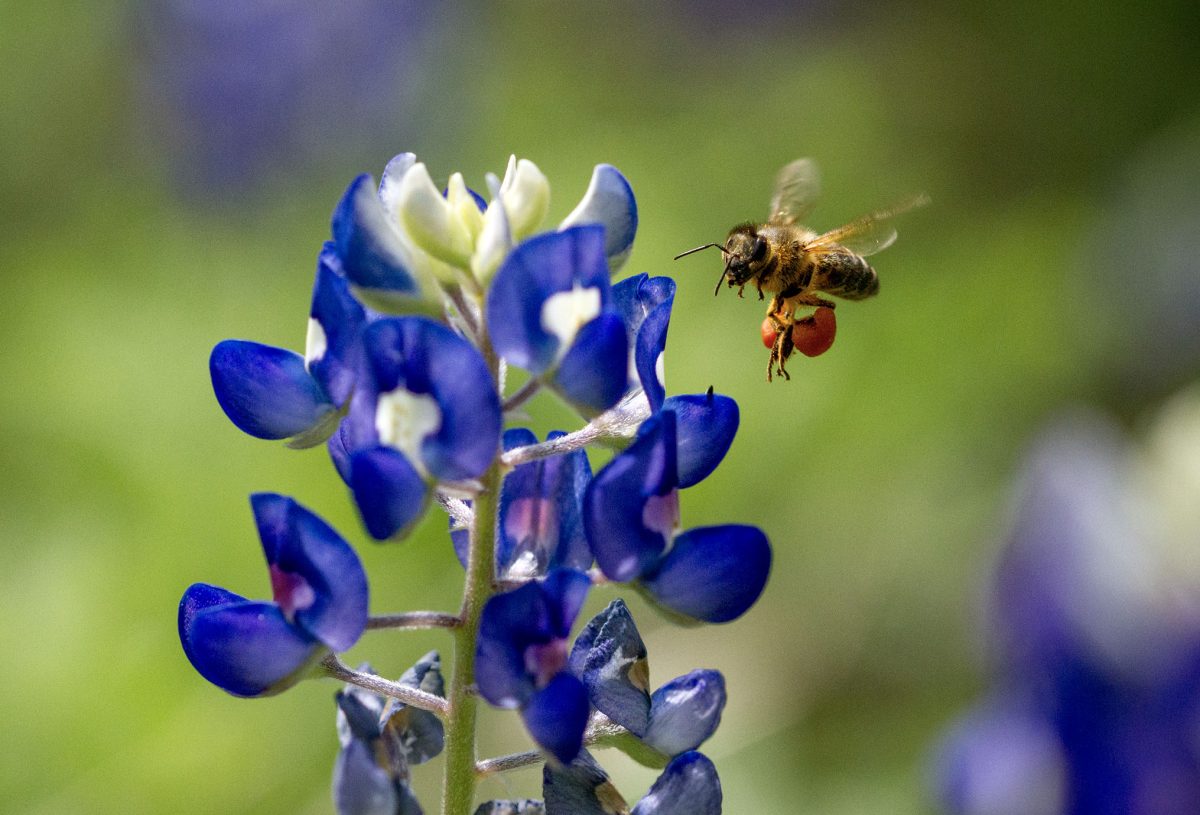
But what if your vision of a dream yard doesn’t include a cookie-cutter lawn? What if you want to fill your space with native plants—those resilient, eco-friendly beauties that support pollinators, shelter wildlife, and make your yard feel truly alive?
That’s where things can get tricky. HOA rules are often designed around traditional landscaping, which can quickly dampen your enthusiasm. The good news? With a little planning, an understanding of the approval process, and some creativity, you can usually work within the rules and still create the native landscape you love.
Here’s my 8-step guide to planning a native landscape that should – but may not – get your HOA’s approval.
For many homeowners, HOA communities are appealing because of the convenience. Regular lawn care, shrub trimming, and overall maintenance are taken care of—as long as you follow the rules. It’s a tidy, uniform system that promises peace of mind.
But what if your vision of a dream yard doesn’t include a cookie-cutter lawn? What if you want to fill your space with native plants—those resilient, eco-friendly beauties that support pollinators, shelter wildlife, and make your yard feel truly alive?
That’s where things can get tricky. HOA rules are often designed around traditional landscaping, which can quickly dampen your enthusiasm. The good news? With a little planning, an understanding of the approval process, and some creativity, you can usually work within the rules and still create the native landscape you love.
Here’s my 8-step guide to planning a native landscape that should – but may not – get your HOA’s approval.