
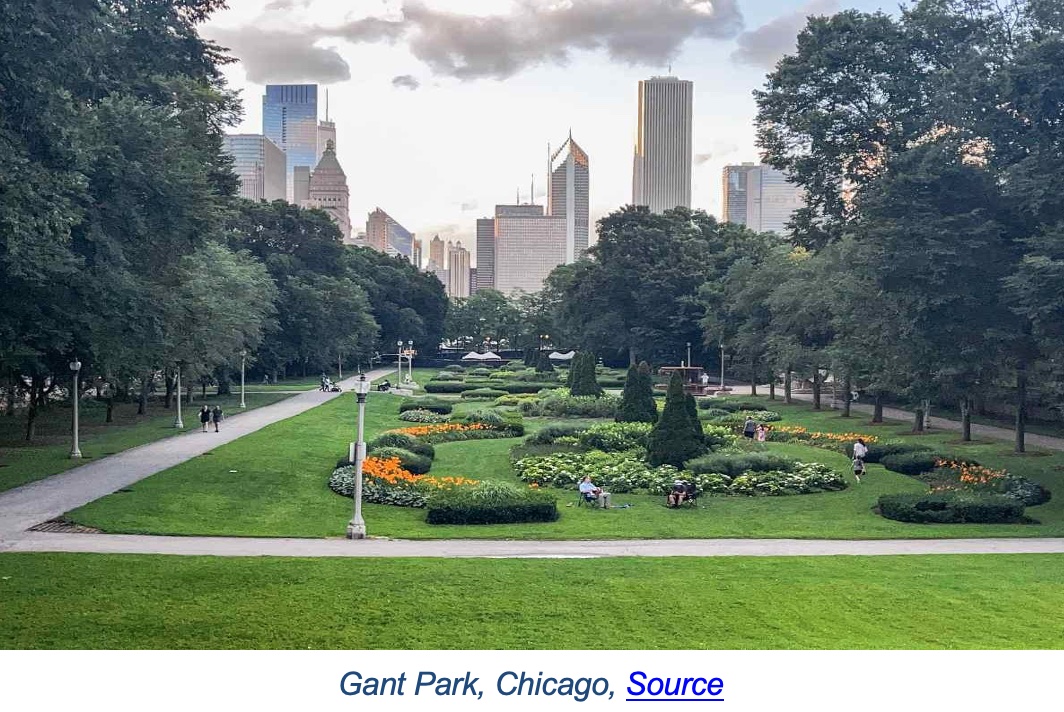
Walkable cities feature pedestrian-friendly infrastructure, including sidewalks, parks, trails, and green spaces. These elements make it easier to access city amenities while bringing the beauty of nature right into the city.
An estimated 56% of the world’s population lives in urban areas, which emphasizes the importance of including walkable infrastructure and nature-friendly spaces in cities. Research shows that high walkability encourages more active lifestyles and improves both physical and mental health, demonstrating that better walkability leads to a healthier city.
Walkable Cities Encourage Activity
The layout of urban infrastructure itself influences community activity. When cities are walkable, their infrastructure incorporates elements that increase access to amenities and shops.
Here are some examples of infrastructure that improves accessibility and walkability:
- Quality sidewalks that are accessible and well-maintained.
- Low traffic density: High traffic levels make areas less safe for pedestrians.
- Safe street crossing lights for pedestrians.
- Accessible amenities that provide areas of interest for walkers to visit.
Studies show that good walkability encourages people to walk more, which improves public health. Regular physical activity, such as walking, reduces the risk of cardiovascular disease, obesity, and diabetes. Additionally, it helps improve mental health.
When cities maintain sidewalks and provide nature spots for recreational activities, it encourages locals to become more active. By incorporating trees, flowers, and locally adapted vegetation, such as Texas native plants, cities provide more reasons for people to venture outdoors.
Walkable Infrastructure Increases Community Connection
When people walk outside, they gain exposure to their surroundings and interact with more people. As a result, a city’s walkability can increase a person’s social interaction and community involvement.
Greenery Improves Mental Health
Walking in areas with natural greenery and vegetation provides the greatest health benefits. Even better if you can enjoy a phone-free hike with Mother Nature. Research shows that walking in shaded green spaces helps reduce stress more than walking in “gray” areas filled with concrete and artificial infrastructure.
Exposure to greenery and vegetation has many positive effects on the human body. It can:
- Reduce stress and anxiety
- Lower blood pressure
- Improve concentration
- Improve mental health
- Decrease local crime and violence
- Increase healing
Amazingly, studies have shown that hospital patients with a view of nature recover more quickly than patients without.
Vegetation also reduces noise pollution and heat, and walking in quieter, cooler areas helps reduce stress.
Green Spaces Protect the Environment
Most cities are built to favor vehicle transportation, not pedestrian traffic, which, by design, contributes to increased air and noise pollution. When people walk more often, this reduces CO2 emissions, helping protect the city from air pollution. Incorporating nature or vegetation into the city infrastructure also helps improve air quality.
An automobile-centric infrastructure raises the city’s overall temperature. The prevalence of cement, steel, asphalt, and other artificial materials contributes to urban heat islands, a phenomenon in which the overall city temperature is much higher than that in surrounding rural areas.
Areas with plentiful plant life naturally manage heat by providing shade and releasing moisture into the air through evapotranspiration, which cools the surrounding environment. When cities provide infrastructure with plants and vegetation, it helps reduce temperatures and counteract urban heat islands.
Green, Walkable Cities Are Better for the Community and Environment
A healthier community starts with better walkability that encourages residents to get active. Green urban infrastructure creates beautiful, natural attractions that invite people outdoors, helping combat obesity and other health problems.
When cities improve walkability and provide natural spaces that give city dwellers a break from artificial city structures, it improves the population’s overall physical and mental health.

Danielle Gorski, who owns two dogs and a pet rabbit, lives in Denton, Texas. She writes informative articles on lawn care and outdoor living.
Article courtesy of LawnStarter of Austin