
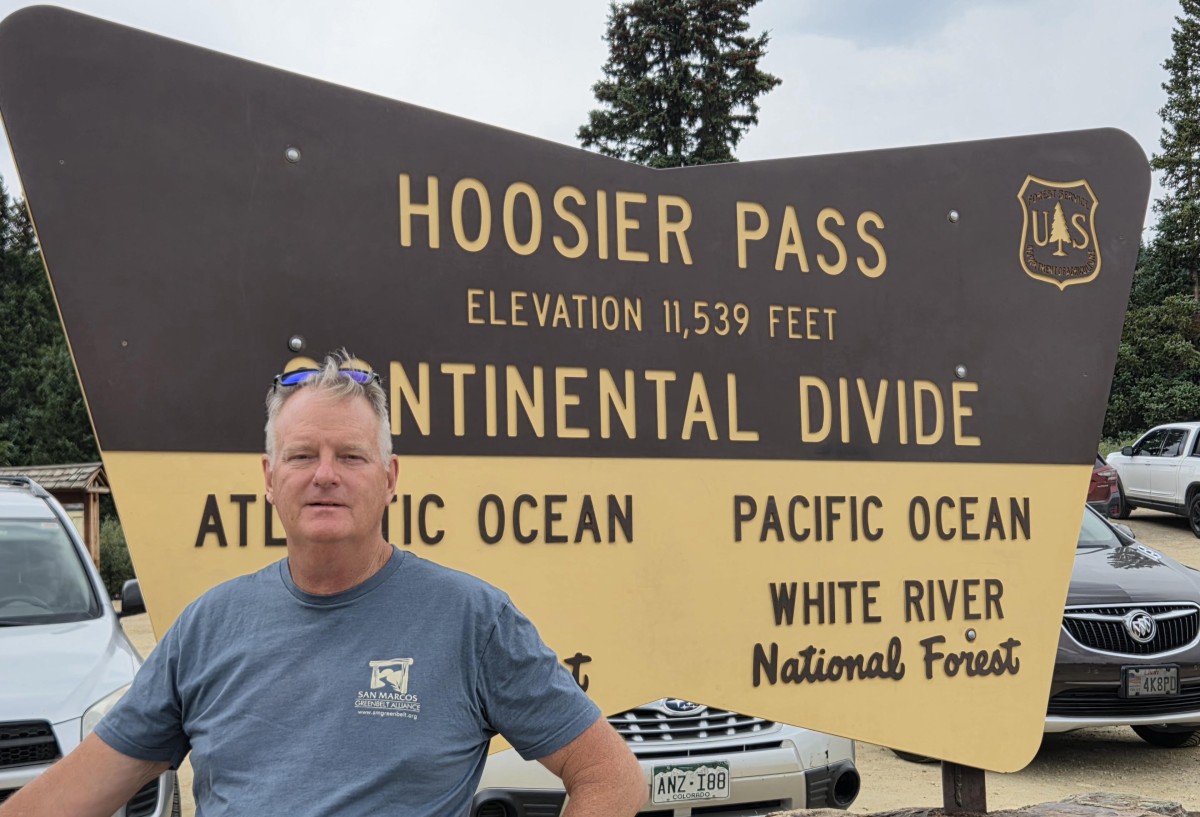
 Luke has a diverse background in marketing and product development, product launch, business development and sales with various material technologies (polymers, semiconductors, concrete). He has a BS in Chemical Engineering from West Virginia University and an MBA from Texas State University.
The last 24 years were spent in the concrete industry working on large commercial projects that required specialty concrete to speed construction and reduce the GWP (Global Warming Potential) of the concrete mix. Luke worked for the start-up CarbonCure Technologies, winner of the Carbon XPrize and the world leader in CO2 utilization technologies for the cement and concrete sector. The CarbonCure Technology is being used by over 1200+ concrete plants today on 6 continents to reduce concrete’s carbon footprint.
Luke is a graduate of the Climate Reality Project and a member of the Austin Chapter and enjoys talking about the carbon footprint of materials in the built environment.
Luke was recently certified as a Texas Master Naturalist and will be attending the Statewide conference later in October.
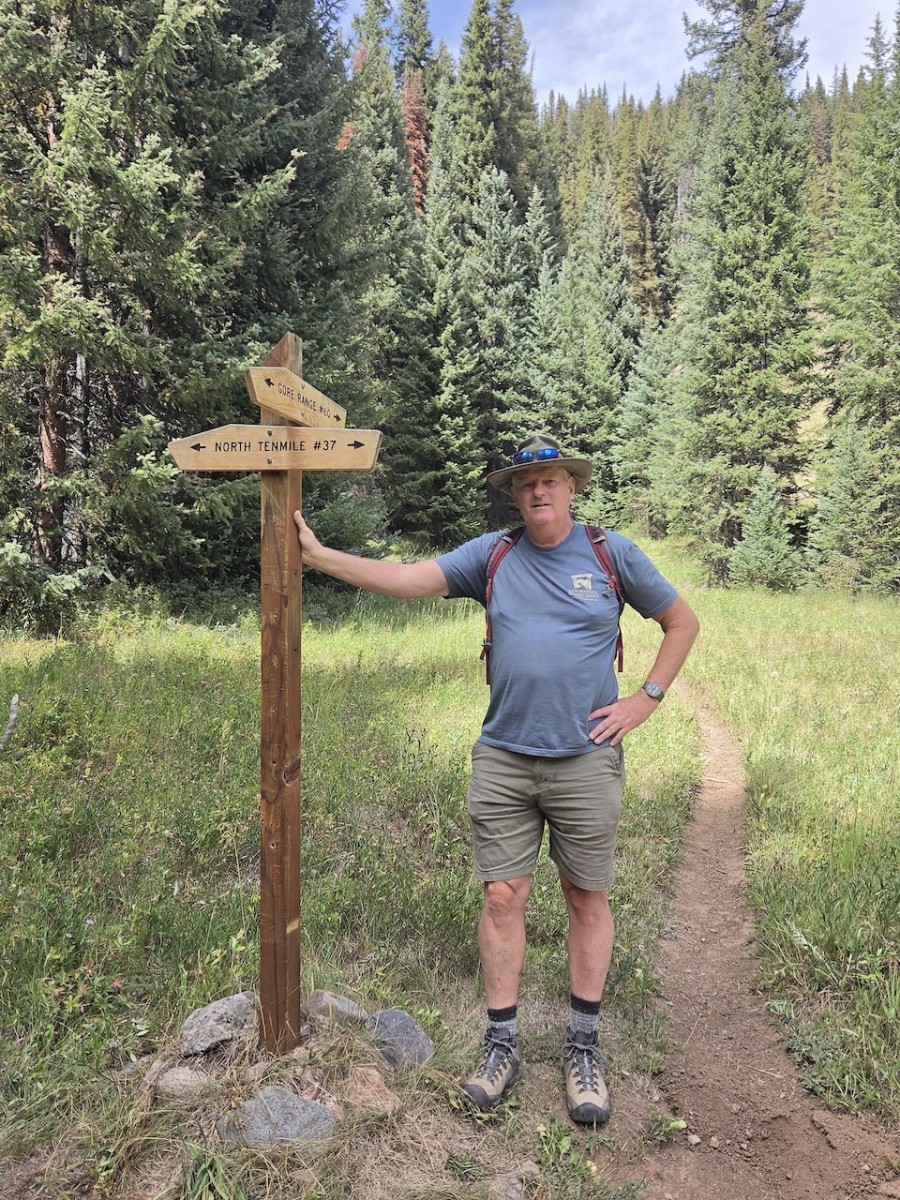
In 2024, Luke returned to San Marcos to retire. He enjoys hiking, bicycling, motorcycling, paddleboarding, landscaping, gardening and traveling/exploring the Southwest.
Luke has 2 children. His son is working in the gas/oil industry in North Dakota, and his daughter is an Emergency Veterinarian/Medical Director in the Austin area.
What do you see as the value of natural areas?
Overall, it is a chance for everyone to reconnect with nature. Progress is great, but it has really disconnected us from the natural world and the reality that we are all connected to this planet and each other. The trails are well-maintained and accessible to anyone.
I enjoy nature and consider it a privilege to have access to these trails. On weekends, I’ve noticed many of our hikers and mountain bikers are traveling in from the Austin and San Antonio areas.
 Who or what most influenced your view of the natural world?
My grandfather, Stefan Cehlarik, was my greatest influence. We would go fishing, trapping, and hunting. We also spent time foraging for berries, nuts, and mushrooms, and we grew a large vegetable garden. He taught me about the natural world and the history of the area we lived in. In our spare time on Sundays, we would walk through plowed fields looking for arrowheads and tomahawks. We even found a skull one day, which was donated to the Carnegie Museum in Pittsburgh, PA. I learned about Native Americans and how they lived off the land. My grandfather was a “master naturalist” before that term existed.
As kids, we spent our spare time bicycling, hiking, camping, caving, and swimming in rivers and old stone quarries. We lived in the country, and that’s just how we grew up.
What attracted you to the Greenbelt Alliance?
I retired this year and was looking for volunteer opportunities. I use the trails and was compelled to do my part to keep them maintained and build new ones. Once I started volunteering with the SMGA, I found the volunteers to be friendly and helpful. I enjoy spending time with the crew and building trails.
I’m impressed with the leadership and the dedication of everyone who participates. It keeps me motivated. I’m now a TX Master Naturalist and many of us volunteer, so there is a great deal of synergy between both organizations.
What has been your biggest surprise or most impactful experience either working or hiking in the Greenbelt?
That’s a tough one. Hiking a trail for the first time is always exciting. You get to explore something new and see different vegetation and geology.
What is your favorite trail? What do you like about it?
I don’t really have a favorite. I pick the trail based on the weather (tree-covered trails on hot, sunny days) and opt for longer trails when I feel I need more exercise. I adopted Beatrice and Limestone Link, so I hike them more frequently than any other trails.
I also enjoy the change of seasons. In the winter, the leaves fall and you can see much farther off the trail. It’s also a great time to trek off-trail and explore other areas. In the spring and summer, there are flowers, and it’s amazing to see the scenery change from brown and lifeless to green.
If you work on the Trail Crew, what do you most enjoy about it?
I enjoy the fellow volunteers. Thanks to the Trail Crew leadership for keeping the events organized—everyone is motivated and keeps the projects moving forward. It’s a great experience to share with others. When a new trail is completed, it’s wonderful to see what a dedicated group of volunteers can accomplish.
Additionally, it is great exercise. During hot, humid mornings, it’s comparable to the hot yoga classes I take. When we finish, I am totally drenched in sweat, and I almost always head for the river to swim and cool off.
I now have a deep appreciation for the effort required to build these trails. When hiking in the mountains of Colorado, I can’t even imagine the effort required to build those routes. It’s a massive amount of work done by hand while trying to breathe at high altitudes (over 10,000 feet).
What recommendations would you give new users of the trail?
Download maps from the website or use an app like AllTrails. Pick trails that fit your fitness level and interests—some of the trails are ADA accessible. Be prepared to explore, as there are fascinating features to discover. My favorites include the sinkholes, the Overlook, the Geryon Grotto, the Rhino Oak, Grandma Oak, and the bearded trees.
Wear appropriate footwear and clothing. I see too many hikers wearing flip-flops on rough trail areas. I feel most comfortable in trail running shoes or hiking boots.
Most importantly, respect the trails and the natural space. This is a great resource and should be treated with respect. As they say, “Leave only footprints, take only photos.”