Bob McLean was born in Toronto and grew up in two communities in southwestern Ontario. 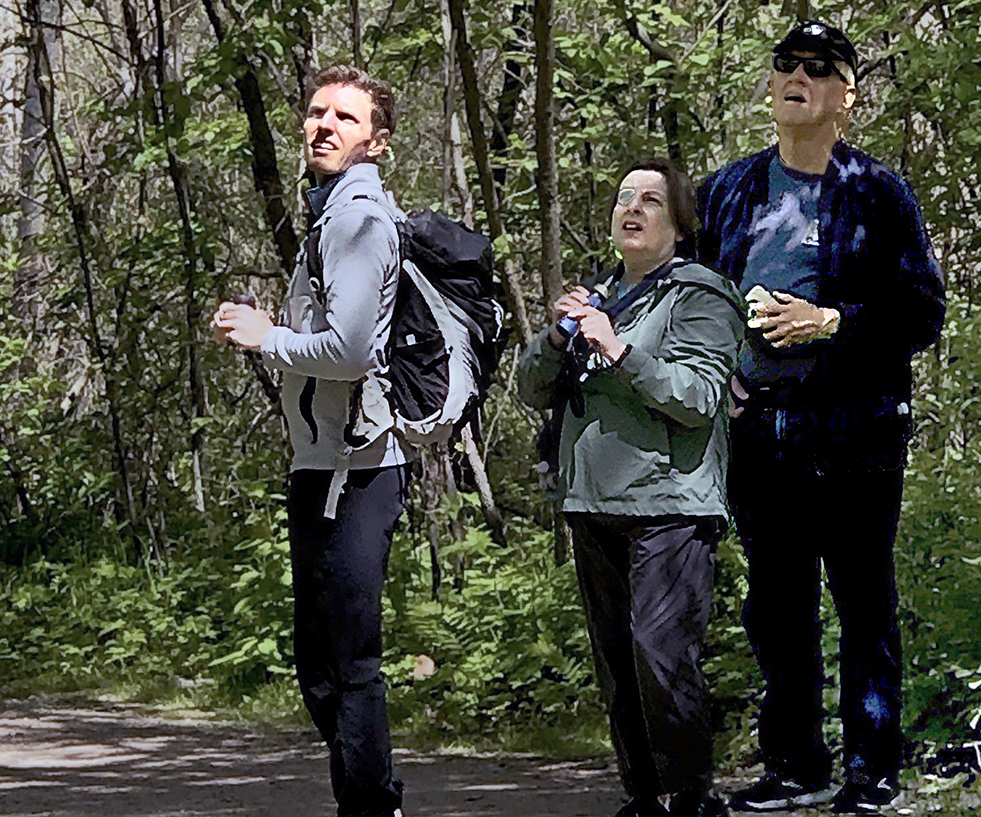 He did his undergraduate degree in microbiology from 1974-8 at the University of Guelph, and after working for 4 years around Toronto and then in western Canada, did his graduate degree in microbiology from 1982-6 at the University of Calgary. Bob returned to Guelph for a postdoctoral fellowship, during which time he met his wife, Martha. They got married in 1988 and shortly afterwards, moved to Kingston, Ontario as Bob got his first faculty position at Queen’s University. His two sons (Malcolm and Alistair) were born in Kingston. In 1993, Bob was appointed as an assistant professor of microbiology at Southwest Texas State University (now Texas State University), and he and his family moved first to San Marcos, and then in 1996 they bought a house in Wimberley where Bob and Martha still live. Bob retired from Texas State University in August 2025. While Bob thoroughly enjoyed his career as a microbiology professor, much of that work was done in labs, and following his retirement, he has gotten involved with the Master Naturalist program. The fascinating thing is learning about the different biology in the Texas Hill Country in contrast to the biology in various parts of Canada where he grew up and lived previously. Volunteering with the Trail Crew has been a welcome activity. The above picture shows Bob, his wife Martha, and their elder son Malcolm, bird watching at Point Pelee National Park, near Leamington Ontario (Martha’s hometown, and southernmost part of the Canadian mainland), which is a major bird watching venue during the spring migration.
What do you see as the value of natural areas?
There are a number of answers that apply to this. Firstly, we are connected in many aspects to the natural world as that is where we once lived. Secondly it can be quite therapeutic to be outside and feel the weight of the world lift from one’s shoulders. I find it incredibly relaxing and peaceful to be outside and just enjoy nature. The older I get, the more I want to walk slower or even just remain in place and enjoy the fascinating world in which we live. This can range from observing plants, insects, and on a bigger scale to seeing birds and various animals (ranging from small lizards to larger deer).
Who or what most influenced your view of the natural world?
I grew up in rural SW Ontario and some friends introduced me to a small wetland, “O’Neill’s Swail”, in the village (Dover Centre, population 60) that I lived in. There were frogs, tadpoles, some crayfish, and many insects. I set up a big washtub at our house and kept some tadpoles in it. Occasionally, I would catch garter snakes and for some reason, my mother would not let me bring the snakes into our house. When I grew up and moved away, I would regularly go to parks and other natural areas near the various communities that I lived in. During the early 1980’s I moved to the Canadian province of Alberta and regularly would go hiking in the mountains. After moving back to Guelph, Ontario, I met my wife, Martha, in 1986, and have enjoyed getting to various natural areas in the regions where we lived. We introduced our boys to nature when they were very young, and both are very avid visitors of parks and wild areas around where they live.
What attracted you to the Greenbelt Alliance?
Todd Derkacz was a major influence. I had may enjoyable conversations with Todd at several coffee places around San Marcos and he was encouraging me to check out the trail crew. After retiring from Texas State University, I joined Todd and other members of the trail crew and most weeks, I regularly volunteer on Thursday mornings. I also got involved with the Master Naturalist program. One of my Biology colleagues, Kristy Daniel, is very involved with that and I just completed my formal training in June. Volunteering with the trail crew is something I regularly look forward to. I enjoy the work, the opportunity to do something meaningful and physical outside, and particularly the people who are involved.
What has been your biggest surprise or most impactful experience either working or hiking in the Greenbelt?
I really enjoy the people and the chance to learn something new and to make a positive impact on the community. I just started hiking mainly around the Purgatory Creek area mostly off the extension of Craddock (upper Purgatory), or the part that enters from Hunter Road. Until a few months ago, I did not realize how extensive the green space in San Marcos was and am very pleasantly surprised. There are many trails that I have not had a chance to visit and definitely will do so in the future.
What is your favorite trail? What do you like about it?
For now, I will say the Dante trail because that is where I have spent the most time. But there are many other trails that I have not seen yet.
When you work on the Trail Crew, what do you most enjoy about it?
In a normal week, I will volunteer for 2-3 hours with the Trail Crew on Thursday mornings, and also work as a docent at Jacob’s Well Nature Center in Wimberley (where I live). Those are two master naturalist activities that I look forward to.
What recommendations would you give new users of the trail?
I will recommend several things. First have good comfortable clothing and shoes – I generally use trail runners, but I wear lightweight hiking boots when I am with the Trail Crew. Sandals or flip flops are highly discouraged. Secondly bring water and wear a hat. In cooler weather, I recommend dressing in layers and bringing a lightweight backpack so you can either add or remove layers as appropriate. There are a few sections of the trails that are quite rocky and an occasional exposed tree root might make walking a bit tricky. If you are just beginning to hike or returning to this after some time, I will recommend short hikes. Big thing is to enjoy yourself.
I use the free cell phone app “AllTrails” that has many of the trails mentioned and can be used to map your progress. The Parks department has installed markers every 100 feet or so on each trail, so in the event of an emergency, people can find you. On the Dante trail lot) and goes up to D80 (at the north end) – that trail is 5-6 miles in total length.